Adventure tours
Kakadu
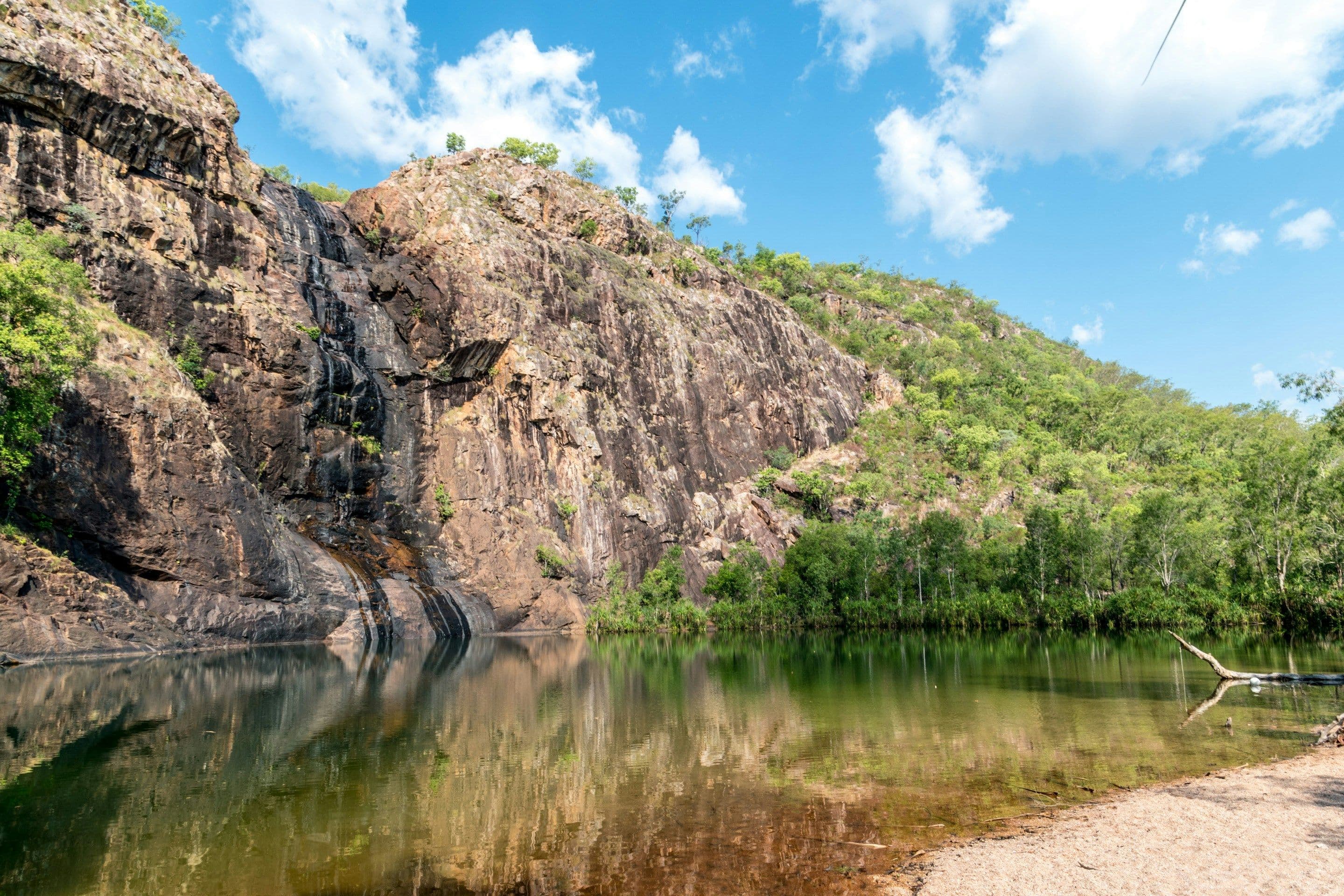
Maguk Falls Half Day Tour from Jabiru or Cooinda
A half-day trip to Maguk Falls in Kakadu with resort pick-up, local guiding and freshly made snacks.
4 hours to 1 day
from
A$345.00

Overview
Kakadu is a vast Top End national park famed for ancient Aboriginal rock art, floodplain ecosystems, big crocs and properly remote camping opportunities.
Kakadu’s killer difference is scale: it’s not a park you ‘do’ in an afternoon — it’s a full-on mosaic of wetlands, escarpments and 20,000+ years of rock art. Sites like Ubirr and Nourlangie put you face-to-face with ancestral stories on sandstone walls. It feels properly remote; distances between highlights are long and roads can close during the wet, so planning beats improvising. Expect sun, dust and mozzies in the build-up, and calmer water levels in the dry season. Budget hack: stock up in Darwin (Coles/Woolworths) and buy your Kakadu park pass online before you arrive — self-cater and camp at designated sites to shave major dollars off guided-tour costs.
Things to do
Things to know
Top 4 things you need to know before travelling to Kakadu
Kakadu has a wet (Nov–Apr) and dry (May–Oct). Many unsealed roads and waterfalls close in the wet — check Parks Australia alerts before you go and delay trips to remote tracks until the dry. The dry season offers full access but larger crowds; arrive early at popular sites like Ubirr or Maguk to avoid peak hours.
Hiring a car in Darwin is the most flexible option — expect long distances and limited services inside the park. Fuel is pricey in park towns (Jabiru), so top up in Darwin or at Pine Creek. If you don’t drive, book a reputable shuttle or day tour from Darwin; they run daily in peak season but need advance booking.
You must buy a Kakadu park pass (online via Parks Australia) to enter — save the receipt on your phone. Book popular activities (Yellow Water cruises, guided rock art tours) at least a few days ahead in peak months; campsites and caravan parks also fill fast during July–August.
Respect that much of Kakadu is Aboriginal land: stick to signposted trails and don’t climb sites closed for cultural reasons. Crocodile caution is real — avoid swimming except in designated fresh swimming holes and obey warning signs. Carry insect repellent, sun protection and plenty of water; phone coverage is patchy, so tell someone your plan.

Why backpackers love Kakadu
Backpackers come for the wild stuff and cheap independence. Camping or staying in basic rooms around Jabiru keeps costs down; shared kitchens and campfires turn strangers into travel mates fast. Transport options are straightforward: hire a car in Darwin (cheaper per person if you split fuel) or book a coach shuttle for a no-fuss option.
There are low-cost activities that still impress — early-morning billabong cruises, short walks to rock art sites and free lookouts. Social life is campground-centric: communal BBQs, map-checking banter and swapping tips on which lookout to hit at sunrise. Overall it’s affordable if you cook, plan your route and accept simple digs.
FAQ
Common questions backpackers ask about Kakadu
Not strictly for main attractions — sealed roads access Ubirr, Nourlangie and Yellow Water. A 4WD is useful for remote tracks and during shoulder seasons, but for standard sightseeing a 2WD hire car or coach shuttle works fine.
Plan 2–3 days to cover the big draws: a sunrise or sunset at Yellow Water, rock art at Ubirr/Nourlangie and one walking/cascade spot. Add extra days if you want remote hikes or extra waterways.
Stock up in Darwin before you head in — supermarkets like Coles and Woolworths have lower prices than park towns. Jabiru has basic groceries but expect a markup; self-catering and bringing staples will cut costs.
There are free informal pull-offs outside the park, but inside you must use designated campgrounds which may charge fees. Always check Parks Australia rules and camp only at approved sites to avoid fines and respect cultural areas.
Explore more destinations around Kakadu.