Food and drink tours
Melbourne
Street Food Tour in Melbourne’s Inner North
Skip the CBD crowds and eat your way through Melbourne’s inner north with a local guide, with food and drinks included.
3 hours
from
A$110.00

Overview
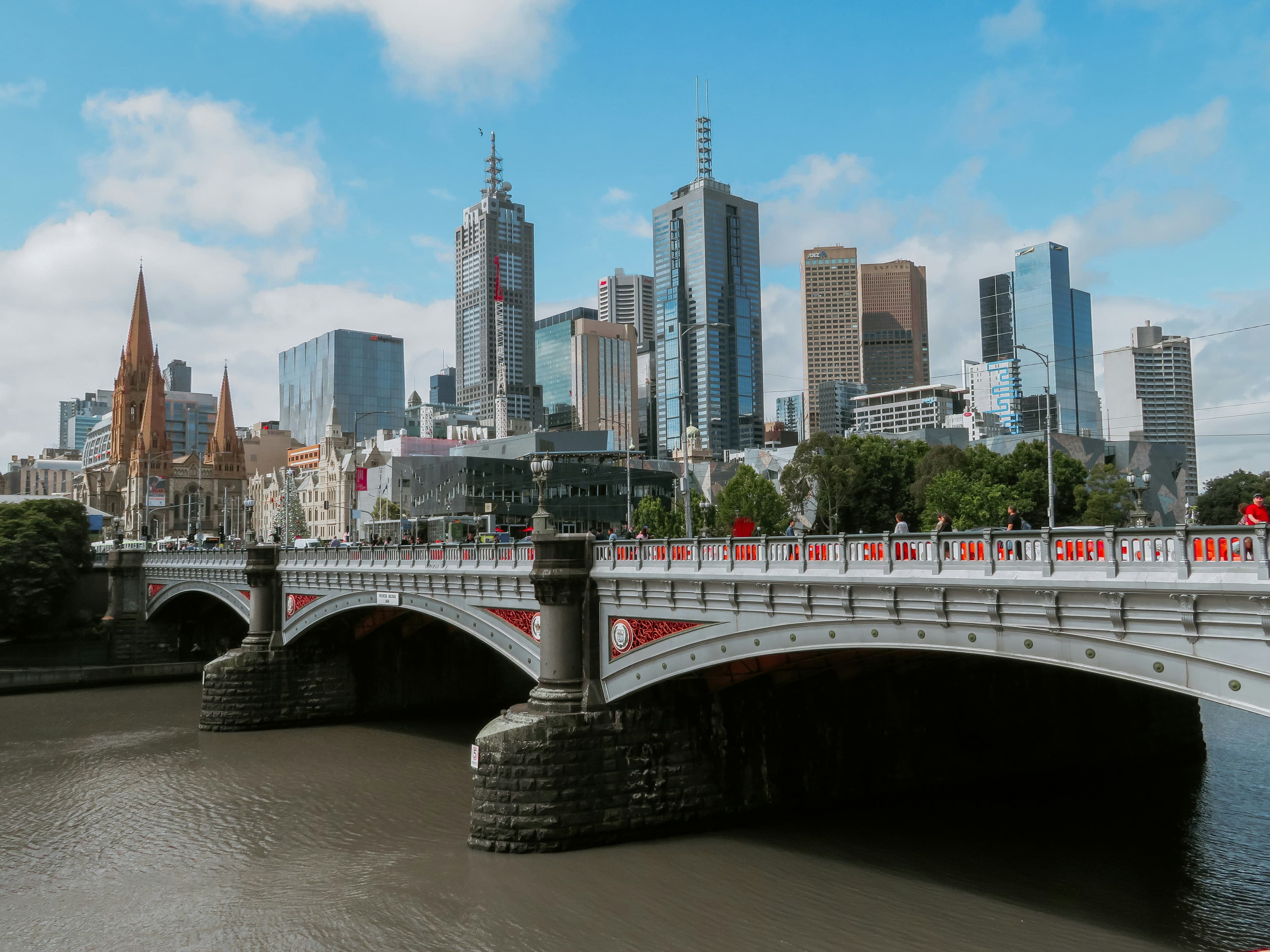
Melbourne lives in its laneways: coffee, street art, cheap eats and a tram network that makes getting around easy for backpackers.
Melbourne's thing is the street-level personality: laneways, cafes, street art and bar doors that open onto whole subcultures. You don’t come here for skyline selfies — you come to wander, sip, and get lost between Hosier Lane, Flinders Street and Fitzroy. Public transport is brilliant: the CBD has a free tram zone, and a Myki gets you everywhere else. Budget hack: buy groceries at Aldi or Queen Victoria Market and cook in hostel kitchens — saves $15–30 a day compared with eating out. Weather changes fast, so pack layers and a light rain jacket. Book hostels early for January (Australian Open) and the March/April motorsport period to avoid price spikes.
Things to do
Things to know
Top 4 things you need to know before travelling to Melbourne
Grab a Myki card for trains, trams and buses — top-up at station kiosks or 7‑Eleven. Remember the CBD free tram zone: if you stay near Flinders Street, you can walk or ride free to most laneways. For airport transfer, SkyBus runs frequent services to Southern Cross station; book online for deals.
Stay in the CBD for walkability and nightlife, Fitzroy/Collingwood for cheap bars and street art, or St Kilda for beach vibes. Book ahead for big events (Australian Open in January; motorsport weekends in March/April). Expect dorm prices in the listed range — check hostel cancellation rules before booking.
Buy basics at Aldi, Coles or Woolworths and use hostel kitchens — saves cash. Queen Victoria Market has cheaper produce than supermarkets if you shop smart. Night-time eats cluster around Chinatown, Lygon St and Brunswick St for budget options; card payments are widely accepted but carry a small amount of cash for markets.
Melbourne can do four seasons in a day: bring layers, a compact rain jacket and comfy walking shoes. Summers get hot (January), winters are cool (June–August). Check the Bureau of Meteorology forecasts before long day trips and pack sunscreen even on cloudy days.

Why backpackers love Melbourne
Melbourne is social and easy. Hostels (dorm beds typically $40–$54) cluster around the CBD and St Kilda, so meeting other travellers is dead simple — shared kitchens and pub crawls are standard. The city is compact and walkable: you can hit lane-way coffee, Fitzroy bars on Brunswick Street and a beach in St Kilda in one day if you’re keen.
It’s affordable if you hustle: cook, use the free tram zone, shop at Aldi or Coles, and book tours in advance to lock in lower rates. Transport is straightforward — Myki card for trains/trams/buses and SkyBus to the airport — so getting between hostel, gigs and day trips is low-stress.
FAQ
Common questions backpackers ask about Melbourne
Take the SkyBus from Tullamarine to Southern Cross for a direct, frequent service; tickets are cheaper if booked online. There’s no direct heavy rail from the airport, so SkyBus or a rideshare/taxi are the usual options.
Yes — Myki is required for most trams, trains and buses outside the CBD free tram zone. Buy and top up Myki at station machines, authorized retailers like 7‑Eleven, or online before you travel.
Generally yes in main suburbs like the CBD, Fitzroy and St Kilda, but use common sense: stick to busy streets, watch your phone in laneways, and use rideshares late at night. Tram stops can be slippery in wet weather — watch your step.
Yes, many operators run day trips from the city, but it’s a long day (often 10–12 hours) and prices vary — book in advance for cheaper rates. Alternatively, take V/Line trains to Geelong and explore the nearby coast if you want a lower-cost option.
Explore more destinations around Melbourne.