Day trips
Great Ocean Road
Great Ocean Road Day Tour from Melbourne
A long but packed Great Ocean Road day trip covering the Twelve Apostles, Loch Ard Gorge, Lorne, Apollo Bay and London Bridge.
12 hours to 14 hours
from
A$75.00

Overview
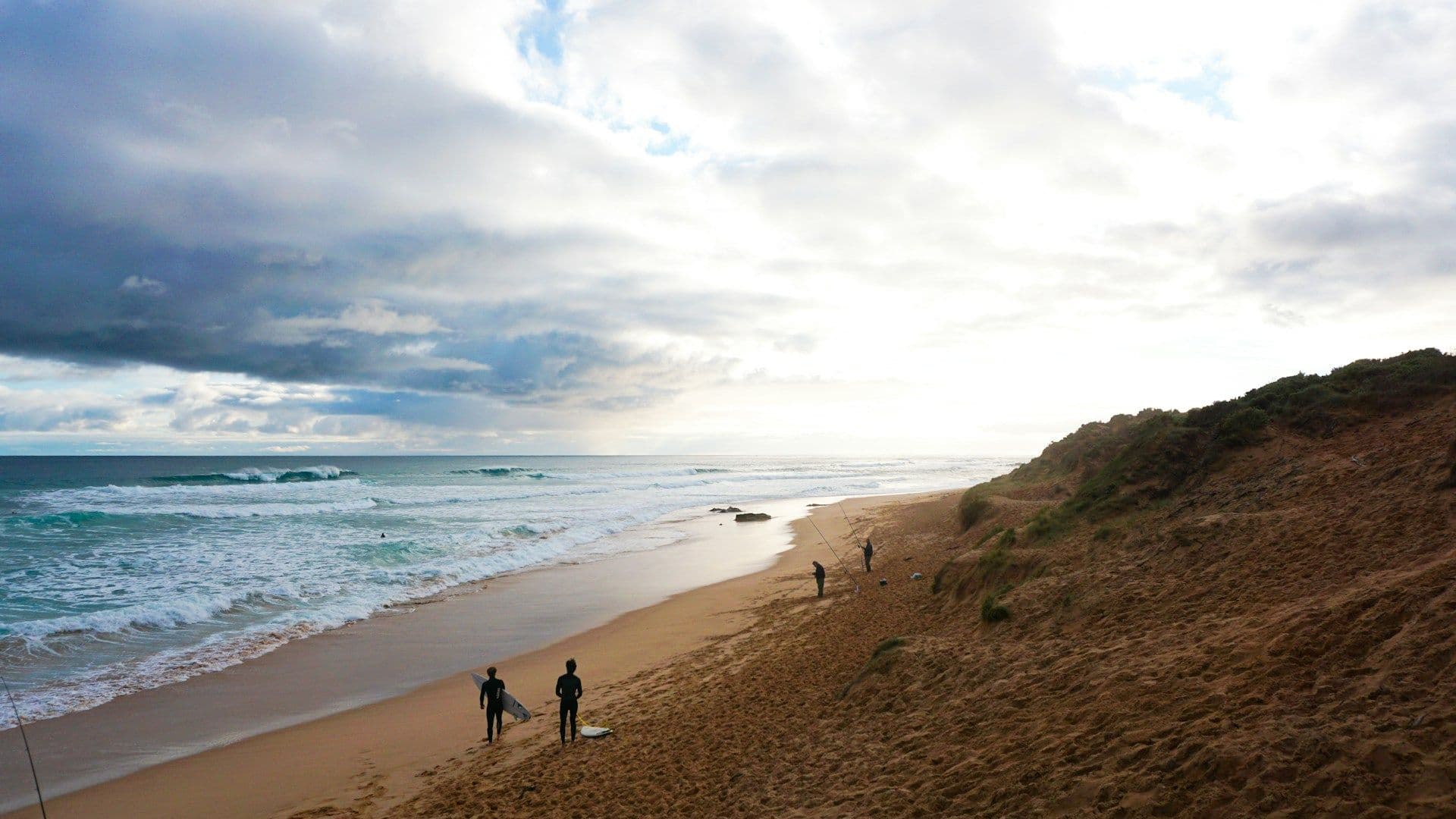
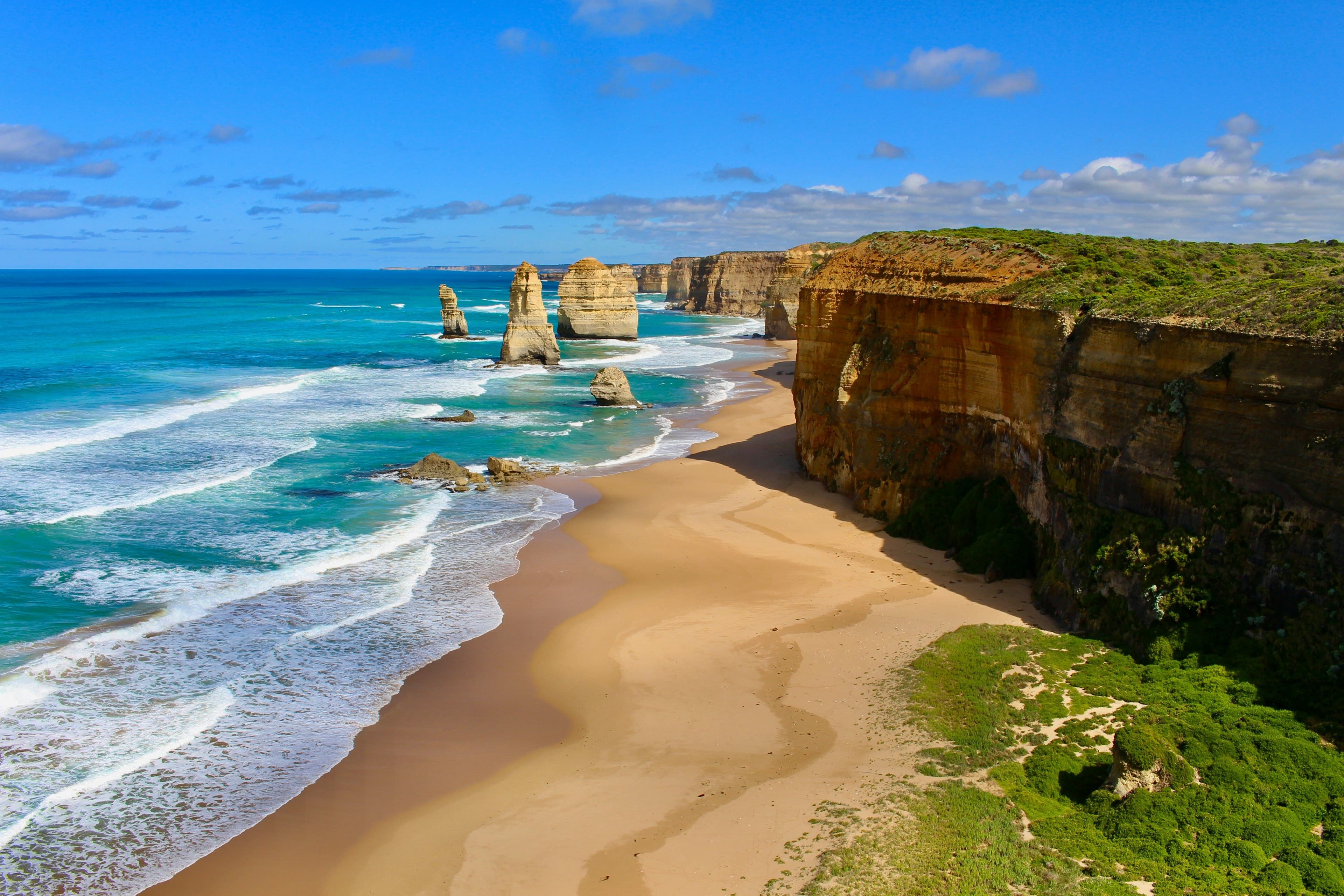
The Great Ocean Road is a road-trip ribbon of surf towns, rainforest and limestone stacks from Torquay to the 12 Apostles—ideal for short runs, camping and hostel hopping
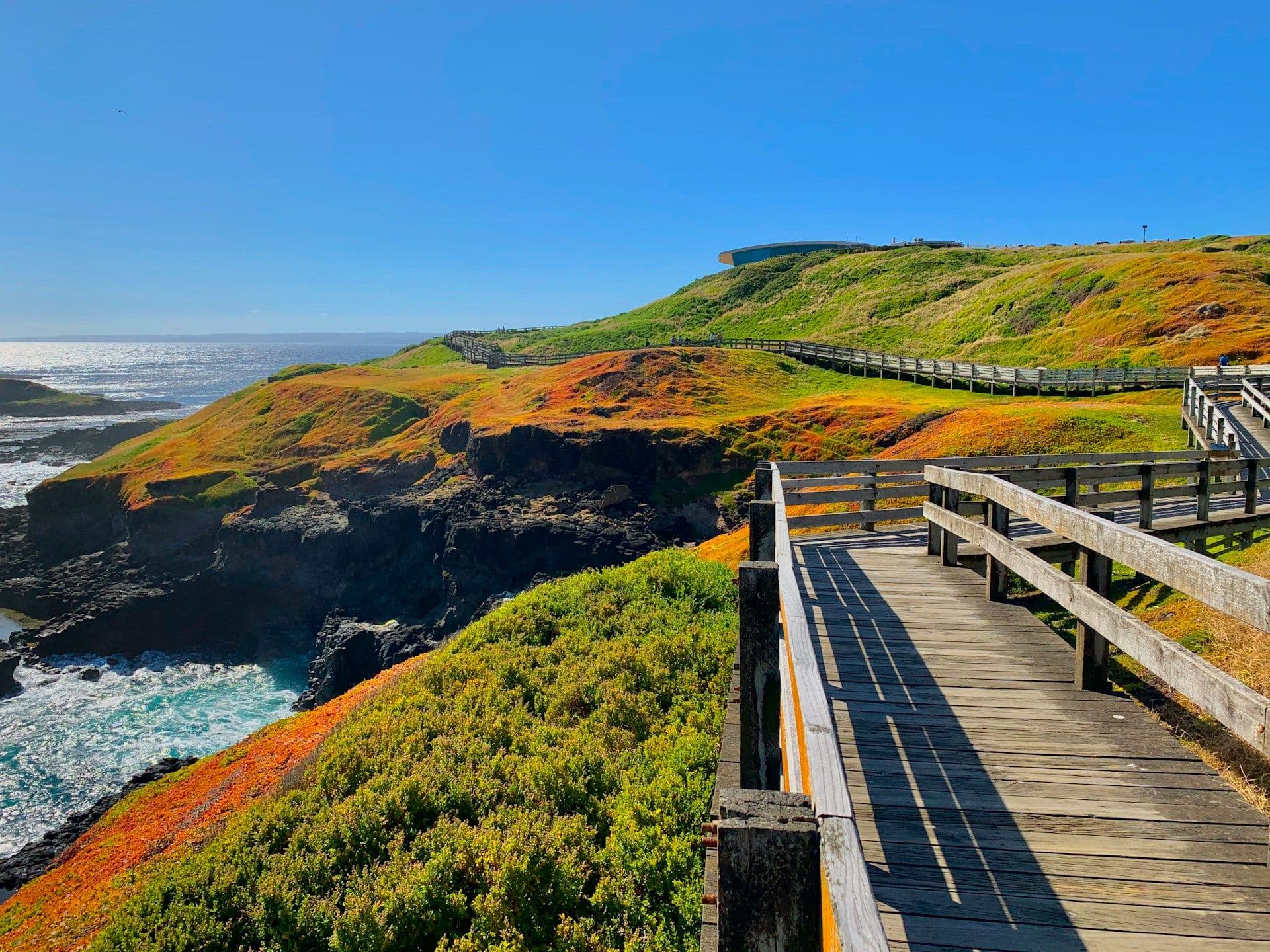
The Great Ocean Road is defined by the road itself: a continuous coastal drive that stitches surf beaches, rainforest walks and iconic limestone stacks into a single, easy-to-follow route. That continuous coast-to-coast feel is what sets it apart — you don’t need to piece it together by train and taxi. Start in Torquay or Melbourne, hop between hostel towns like Lorne and Apollo Bay, and end at the 12 Apostles lookout. Trails, beaches and viewpoints are all a short detour from the sealed road. Budget hack: split a rental van with mates or buy a two-day hop-on hop-off coach pass and self-cater from Coles/Woolworths in Torquay or Geelong to save on nightly stays and eating out.
Things to do
Things to know
Top 4 things you need to know before travelling to Great Ocean Road
You can do the route on organised coaches with multi-day hop-on passes or rent a car/van. Coaches run daily from Melbourne; book seats in advance for peak season. If hiring, compare one-way fees and split petrol. Fuel and service stations are sparse between Lorne and Apollo Bay — top up in Torquay and Apollo Bay.
Best months are shoulder seasons (Oct–Nov, Mar–Apr) for milder weather and fewer crowds. Summer gets busy and hot; bring wind layers as sea breezes make mornings and evenings cool. Book hostels and campsites at least 2–4 weeks ahead for school holidays.
Hostels and council campsites are common in Torquay, Lorne and Apollo Bay — use hostel kitchens and self-cater from Coles/Woolworths in larger towns. Camping cuts costs dramatically; many campsites accept bookings online but some are first-come on weekdays. Expect hostel rates in the $40–$54 range.
Respect cliff safety at lookouts (keep to barriers) and heed surf safety flags and lifeguards on beaches. Pick up a tide/time map before rock walks. Don’t leave valuables visible in cars; mobile reception can be patchy on some coastal stretches.

Why backpackers love Great Ocean Road
Backpackers dig the Great Ocean Road because it’s an easy social loop — short drives between towns, cheap hostels with shared kitchens and backpacker-friendly campgrounds. Hostels along the route commonly fall in the $40–$54/night range, and pub meals in Lorne or Apollo Bay mean fewer dishes to wash.
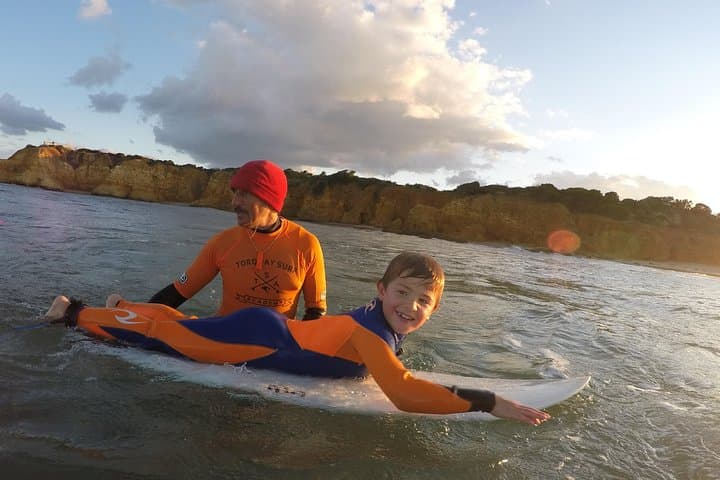
Getting around is straightforward: daily coach services and hop-on hop-off passes link main stops, while cheap one-way van hires or car shares keep costs down if you split petrol. Surf lessons in Torquay and group hikes attract other travellers, so it’s easy to meet people without a big party scene.
Practical: stock up on groceries before long stretches, book summer weekends early, and expect cool ocean breezes even on sunny days.
FAQ
Common questions backpackers ask about Great Ocean Road
You can drive the highlights in a long day, but it’s rushed. Day tours run from Melbourne and typically focus on the 12 Apostles and a few stops; to surf, hike and sleep in a town, plan 2–3 days.
You don’t strictly need a car — hop-on hop-off coaches and multi-day tour operators cover the route. But a car or shared van gives flexibility for early sunrise, remote walks and surf breaks; split rental and petrol costs to keep it cheap.
Expect hostel nights around $40–$54, day tours roughly $80–$150 depending on inclusions, and groceries cheaper than eating out. Camping and cooking will be the cheapest option; split transport costs with friends to lower per-person spend.
Sunrise and early morning (before 9am) at main lookouts like the 12 Apostles avoid coach crowds; late afternoon after 4pm is quieter too. Book popular viewpoints into your schedule outside mid-day peak hours.
Explore more destinations around Great Ocean Road.