Day trips
Hobart
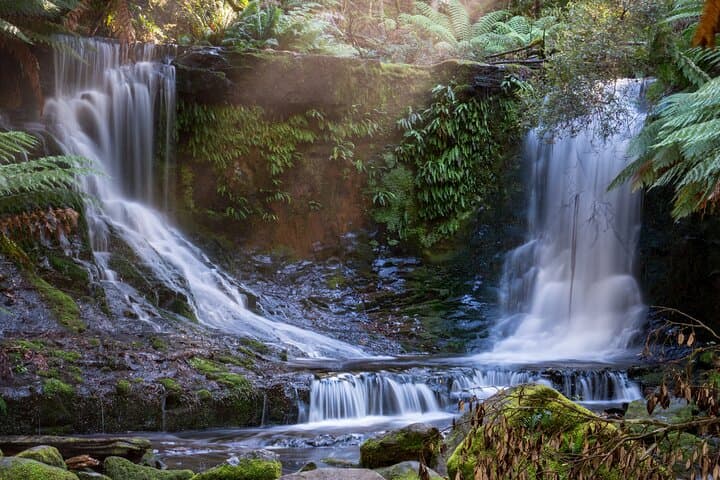
Mount Field National Park and MONA Day Tour
A full-day trip combining Mount Field’s rainforest and waterfalls with time at MONA’s bold art museum.
8 hours
from
A$145.00

Overview
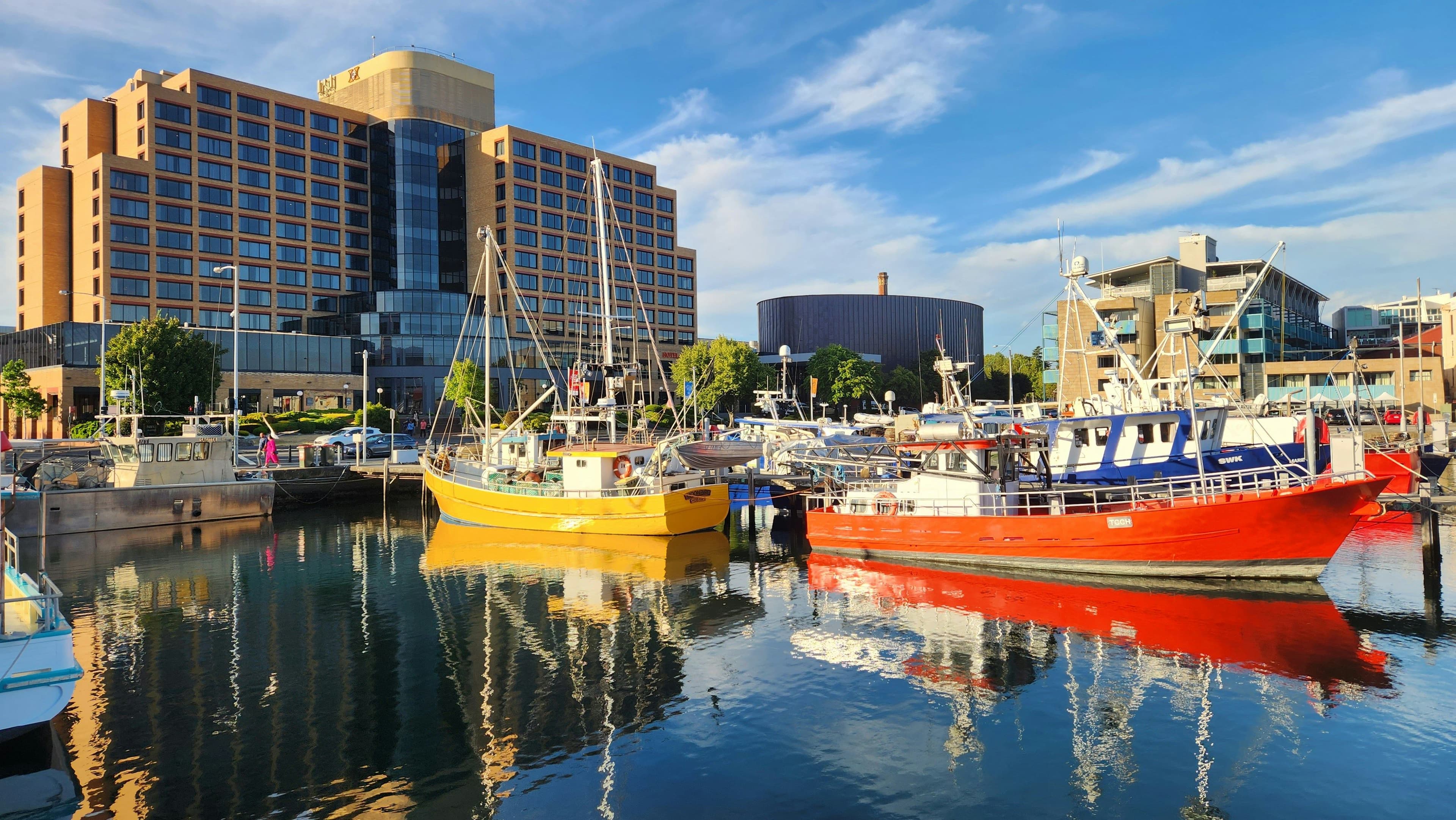
Hobart is a compact port city where rugged Tasmanian wilderness meets an active arts and food scene, with easy walking, cheap supermarkets and quick access to MONA.
Hobart’s defining trait is how quickly the wild hits the city: kunanyi/Mount Wellington looms a 30–40 minute drive from the CBD and walking trails start on the edge of the harbour. The result is an unusually compact capital where bush, river and galleries collide. Hostels cluster around Salamanca Place and the waterfront; most have kitchens, which is your wallet’s secret weapon. Coles and Woolworths are both in the CBD—cook rather than eating out every night to save roughly $10–20 a day. Public buses run frequently across the metro area and ferries to MONA depart from Brooke Street Pier. Book ahead for summer weekends and the Dark Mofo festival in June.
Things to do
Things to know
Top 4 things you need to know before travelling to Hobart
Hobart’s CBD is highly walkable; most hostels, bars and markets are a 10–20 minute stroll from Brooke Street Pier. Metro buses cover the suburbs—buy a top-up smartcard or multi-day pass at metro kiosks for cheaper fares. Taxis and rideshares are straightforward; airport transfers take about 20–30 minutes depending on traffic.
Tasmania does four seasons in a day—pack layers, a waterproof and sturdy shoes for tracks. Summers range mid-teens to low 20s°C; winters drop to single digits. Check kunanyi/Mount Wellington wind forecasts before you walk—conditions change fast and can be icy on the summit even in summer.
Salamanca Market runs Saturdays and fills quickly; arrive early to avoid queues and get cheaper eats. Book hostels well in advance for December–January and during Dark Mofo (June) when beds sell out. Weeknight stays are noticeably cheaper than weekends.
Supermarkets (Coles and Woolworths in the CBD) and the Salamanca Market let you cook cheaply—most hostels have kitchen facilities. ATMs and EFTPOS are everywhere but avoid excess ATM fees; use a card with no international withdrawal fee. Expect pub meals to be pricier than supermarket-cooked dinners.

Why backpackers love Hobart
Backpackers like Hobart because it’s small, social and easy to stretch a budget. Hostels around Salamanca and the waterfront make meeting people simple—common rooms, pub quizzes and the Saturday Salamanca Market attract crowds. Transport is straightforward: the CBD is very walkable, Metro buses connect suburbs and the MONA ferry is a low-effort day trip with decent meetup potential.
Prices are reasonable compared with mainland capitals; dorm beds commonly fall in the $40–$54 range and supermarket meals keep costs down. The scene tilts toward outdoorsy and arty rather than full-on party, so expect relaxed nights, good coffee and days spent hiking, gallery-hopping and sampling Tasmanian produce.
FAQ
Common questions backpackers ask about Hobart
Shared airport shuttles and regular buses run between the airport and the CBD; timetables are on the airport website. Taxis or rideshares take 20–30 minutes and cost more—split a ride to save cash.
Yes. Take the public ferry from Brooke Street Pier (book ahead on busy weekends) or drive—parking at MONA is limited. Ferries are timed and include return options; check schedules and buy tickets online to lock in the best times.
Generally yes—Hobart is low-crime compared with big cities. Stick to lit streets, travel in groups late at night, and keep valuables secure. If you’re walking back from the waterfront after midnight, stick to main roads or grab a rideshare.
Many hostels offer paid short-term luggage storage—ask reception. The airport has left-luggage options for longer holds; otherwise check larger tour companies or the Hobart central station area for commercial lockers.
Explore more destinations around Hobart.